

Keto bacon eggs are something quietly comforting about an omelet, especially on days when you want something warm and filling but don’t feel like making a big production in the kitchen. And if you’re following keto—whether strictly or loosely—there’s really nothing more reliable than the trio of eggs, bacon, and cheese. This particular recipe is something I’ve made so many times that I could probably cook it half-asleep, but for the sake of being thorough, I’m writing it down here as if I were showing a friend exactly how I do it, what I’ve learned along the way, and how to make it turn out perfectly even if you’ve never made an omelet before.
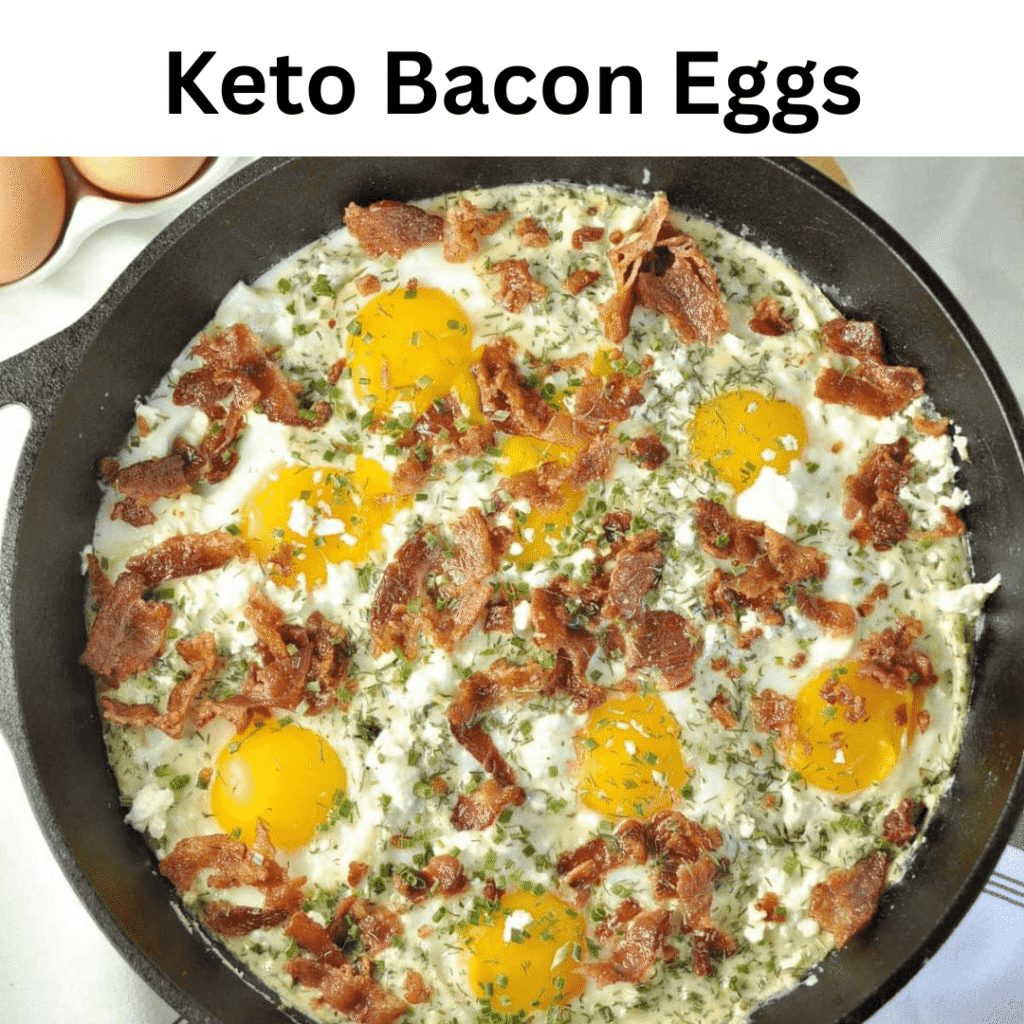
This isn’t a fancy chef technique kind of omelet. It’s the practical, hearty, slightly indulgent kind that feels like you’re treating yourself while still keeping carbs nearly nonexistent. It’s the kind of breakfast (or lunch, or even late-night meal) you can make on autopilot once you get the hang of it. And honestly, that’s what I love about keto cooking: it simplifies things. You focus on real ingredients—eggs, butter, bacon, cheese—and build something satisfying from them.
Below, I’ll walk you through the full process of making a keto bacon omelet with lots of detail: tips, variations, mistakes to avoid, texture tricks, and even the reasons behind certain steps. If you’ve ever wondered why your omelets come out too dry, too browned, or too broken to fold, keep reading.
Ingredients You’ll Need
This is the core list of ingredients I use almost every time:
- 3 large eggs
- 2 or 3 slices of bacon (thick-cut works best, but any style will do)
- 1 tablespoon butter
- ¼ cup shredded cheese (cheddar is the classic choice, but mozzarella, Monterey Jack, or a mix all work)
- 1–2 tablespoons heavy cream (optional but great for softness)
- Salt and black pepper
- A pinch of garlic powder or onion powder (also optional)
- Chopped green onions or parsley for garnish (optional but adds freshness)
If you don’t have cream, don’t worry. The omelet will still be delicious. The cream simply helps the eggs cook into a fluffier, softer texture rather than a thin, leathery one, and on keto it fits the macro profile perfectly.
Why This Omelet Works So Well on Keto
Keto eating can sometimes feel repetitive—eggs here, eggs there, cheese on top of everything. But this omelet makes the most of those ingredients by combining them in a way that hits all the nutrient targets without feeling like “diet food.”
- Eggs give you protein and healthy fats.
- Bacon adds more fat, salt, and crunch.
- Cheese provides creaminess.
- Butter adds flavor and helps the eggs cook.
- Heavy cream enriches the omelet without adding carbs.
The whole thing comes together with maybe 2–3 grams of carbs total. It’s satisfying because of the fat and protein, and more interesting than just eating bacon and eggs separately.
Step-by-Step: Making the Perfect Keto Bacon Omelet
1. Preparing the Bacon
I always start with the bacon, because bacon takes longer to cook than the eggs. You want the bacon crispy or at least deeply browned because it needs to stand out inside the omelet; soft bacon tends to disappear into the eggs.
Slice your bacon into little squares or rectangles. Cutting before cooking makes things easier, and the smaller pieces crisp up faster and more evenly.
Put your pan on medium heat and add the bacon. You don’t need oil—bacon brings its own. Let it cook slowly rather than cranking the heat. Slow cooking renders more of the fat and keeps the bacon from burning on the edges before it’s fully crisp.
As the bacon cooks, it will start to curl, shrink, and release its fat. You can give it an occasional stir. Once the pieces have that nice, deep golden-brown color, scoop them out with a spoon and place them on a small plate. I like to leave a tiny bit of bacon fat in the pan because it adds flavor to the eggs, but you don’t want a lake of fat—just a thin sheen.
2. Whisking the Eggs
Add eggs in he bowl. Add a tablespoon or two of heavy cream if you’re using it, plus a pinch of salt, a dash of pepper, and a sprinkle of garlic powder if you want a subtle savory flavor.
Then whisk. Don’t just stir—really whisk. The more you mix the eggs, the more air gets inside them, which leads to a lighter omelet. You should whisk until the mixture looks smooth, slightly frothy, and consistent in color. If you see streaks of yolk or white, keep going.
3. Heating the Pan and Adding the Butter
Add butter in the pan. Let it melt slowly. Don’t let the butter burn or brown too much—if it turns dark very quickly, the pan is too hot. Smoking butter will give your omelet a bitter taste.
Omelets don’t like high heat; high heat leads to hard edges, brown patches, and broken folds.
4. Pouring the Eggs into the Pan
Once the butter is melted and starting to foam slightly, pour in your egg mixture. If the eggs shout at you when they hit the pan, turn down the heat.
Let the eggs settle naturally. Don’t poke at them right away. After about 15–20 seconds, the edges will start to firm up.
. Keep the heat low. The top should look shiny but not soupy.
5. Adding the Bacon and Cheese
Once the eggs are mostly cooked, scatter your cooked bacon across one half of the omelet. Add cheese on top of the bacon. Wait until the cheese melts.
Some people like to add the filling in the center, but I find adding it to one side makes folding easier and prevents fillings from spilling out.
6. Folding the Omelet
Use your spatula to gently lift the empty side of the omelet and fold it over the bacon-and-cheese side. It doesn’t need to be perfect. The important thing is to seal the fillings inside and let everything merge into a warm, melty pocket.
Let the folded omelet sit in the pan for another minute or so. If the heat is low and even, the bottom will stay tender while the cheese finishes melting.
7. Serving the Omelet
Slide the omelet carefully onto a plate. The texture should be soft, not browned; creamy inside, with little bits of smoky bacon in every bite.
Texture Tips and Variations
Because this is keto, the richness can get overwhelming if everything is heavy all the time. Here are a few ways to adjust the recipe:
- If you want it fluffier → Add cream or a splash of water when whisking.
- If you want smokier flavor → Use smoked bacon or add smoked paprika.
- If you want more structure → Cook the eggs slightly longer before adding fillings.
Common Mistakes and How to Avoid Them
- Using heat that’s too high
This creates a brown, rubbery omelet. Keep the heat lower than you think. - Adding fillings too early
If the eggs are still runny on top, the bacon and cheese sink and prevent the omelet from folding cleanly. - Underwhisking
This leads to dense, unevenly cooked eggs. - Overloading the omelet
Tempting, I know, but too much filling makes it tear.
Keto Macros (Approximation)
This will vary by brand and amounts, but a typical serving of this omelet includes:
- Carbs: 2–3g
- Protein: 25–30g
- Fat: 30–40g
- Calories: ~400–500
This makes it an excellent keto breakfast that keeps you full for hours.
Optional Add-Ins (Still Keto-Friendly)
You can customize this omelet in dozens of ways while keeping it low-carb:
- Spinach (very keto-friendly)
- Mushrooms sautéed beforehand
- A spoon of cream cheese for extra creaminess
- Jalapeños for heat
- Pre-cooked sausage crumbles
- A dash of hot sauce inside the omelet
Just keep any veggie additions low-carb.
Why This Recipe Works — The Science in Simple Terms
The combination of fat and protein helps regulate hunger hormones, which is why people often say they feel satisfied for hours after a keto breakfast. Cheese melts into the folds and acts like glue, holding the omelet closed while also adding richness. The butter in the pan keeps everything from sticking and lightly coats the eggs, giving them a smooth texture.
This recipe isn’t just tasty; it plays into the strengths of keto cooking. It’s comforting without being complicated, indulgent without adding carbs, and satisfying without leaving you feeling sluggish.