
I always say that a Keto Quiche Pie is more than just a savory pie; it is a moment of patience, a dish that feels like home and comfort melted together, and an edible reminder that simple ingredients can turn extraordinary when given time and gentleness. Every time I bake a quiche, especially a keto version, I feel as if I’m writing a personal letter to myself—slow, warm, and filled with the subtle satisfaction of watching raw ingredients transform into a slice of goodness. So today, I’m putting down this full handwritten-style recipe for a Keto Quiche Pie, from crust to filling, from preparation to baking, from aroma to serving.
This is not a professional-chef recipe. This is a “sit with me in my kitchen, I will show you everything, no rush, no strict rules” recipe. I’m writing it the way I keep notes in my own messy cooking journal—lots of explanations, tiny details that matter, personal reasoning, emotional moments, and even little secrets that help a keto quiche stay soft, rich, and never dry.
This is a fully original piece of writing created only for you.
SECTION 1 — My Thoughts Before Starting
Before diving into exact steps, I like to talk to myself a little about the dish I’m making. It helps me shape my intention. A keto quiche pie is essentially a low-carb savory pie with a buttery almond-flour crust and a creamy egg-and-cheese filling that becomes custardy when baked. The beauty of quiche is that you can fill it with almost anything—spinach, mushrooms, chicken, sausages, bell peppers, broccoli, leftover roasted meat, herbs, or even just cheese.
But keto quiche has a personality of its own. Because there’s no wheat flour crust, we rely on almond flour, butter, and seasonings to create a structure that holds the filling without falling apart. Some people even skip the crust, but I feel a quiche without a crust is like a story without a beginning—it works, but the experience lacks magic.
In my handwritten kitchen notes, I always remind myself:
- A good quiche is creamy, not rubbery.
- Eggs should set gently, not overcook aggressively.
- The crust should be slightly golden, not pale or soggy.
- Fillings should be sautéed before adding (moisture ruins texture).
- Cheese should melt into the filling rather than sit stiffly on top.
Keeping these principles in mind gives me a road map as I cook.
SECTION 2 — Ingredients
I don’t just list ingredients; I talk to them. I like to describe why each one belongs in the recipe.
For the Keto Crust
• Almond Flour – 1½ cups
I love almond flour because it adds natural nuttiness without being overpowering. It behaves differently from wheat flour—less elastic, more fragile—but once mixed with butter, it forms a soft dough that melts in the mouth.
• Butter – 4 tablespoons, melted
Butter is the heart of the crust. It binds the almond flour and gives a warm richness. Melted butter spreads more evenly in almond flour than cold butter.
• Egg – 1 (lightly beaten)
Egg acts both as glue and structure. Without flour gluten, the crust needs something to hold it together.
• Salt – a pinch
Salt seems tiny, but it wakes up the entire crust flavor.
• Garlic Powder – ¼ teaspoon (optional)
I always add this because it creates a warm savory note, especially for keto dishes where flavor boosters matter.
• Dried Italian Herbs – ½ teaspoon
Just enough to perfume the crust.
For the Quiche Filling
• Eggs – 6 large
Eggs are the soul of any quiche. Their job is to set gently and carry the rest of the ingredients.
• Heavy Cream – ¾ cup
This makes the filling creamy, soft, and custard-like. Milk makes quiche spongy; cream makes it luxurious.
• Cheese – 1 to 1½ cups (grated)
You can use cheddar, mozzarella, gouda, Monterey Jack, Swiss, or a mix. I prefer combining cheddar (for flavor) with mozzarella (for smooth melting).
• Salt – ½ teaspoon
Because cream and egg need balance.
• Black Pepper – ½ teaspoon
Necessary to bring out warmth.
• Nutmeg – a tiny pinch
This is my secret. Nutmeg turns eggs and cream into something elegant. I never skip it.
For the Vegetable/Protein Filling (Choose 2–4 items)
You can pick your favorites, but I’ll describe options:
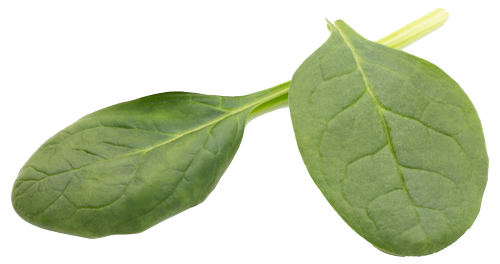
• Spinach – 1 big handful, cooked down
Fresh spinach shrinks a lot, so don’t fear using too much. It adds earthy sweetness.
• Mushrooms – ½ cup, sliced and sautéed
Mushrooms must be cooked first or they will release water.
• Bell Peppers – ½ cup, chopped
Adds color and crunch.
• Onions – ¼ cup, finely chopped
Adds sweetness and aroma.
• Cooked Chicken – ½ cup, shredded or diced
Adds protein and texture.
• Beef Bacon or Sausage – chopped, cooked
Adds saltiness and flavor depth.
• Broccoli – ½ cup, lightly cooked
Gives body and bite.
Pick whichever combination you enjoy. I’ll describe the process in a way that works for any mixture.
SECTION 3
Now comes the heart of this recipe. I’m slowing down my pace, writing as if I’m standing by the kitchen counter with a wooden spoon in one hand and a notepad in the other.
Step 1 — Preparing the Keto Crust
I take a medium-sized bowl and pour in the almond flour. It feels soft like sand, and I gently run my fingers through it. Then I add the salt, garlic powder, and Italian herbs. I mix them a bit with my fingertips because I like how the spices spread better this way.
Now I pour in the melted butter. The flour begins to clump slightly, turning from dry crumbs into a soft mixture. Then I add the lightly beaten egg. At this point, I switch to a spoon so the dough doesn’t stick to my fingers.
The dough forms quickly—almond flour doesn’t need kneading. I just press the mixture lightly with the back of the spoon until it holds together like soft clay.
Next comes the part that always feels calming to me: pressing the dough into the pie dish. Unlike wheat dough, keto dough doesn’t roll—it gets pressed. I press it along the bottom, then up the sides, shaping a little ridge along the edge. I take my time here, evening out the thickness with gentle fingers.
Once the crust is molded, I poke a few holes in the bottom with a fork. This prevents puffing.
I pre-bake it at 180°C (350°F) for around 10–12 minutes, until it just starts to firm up and turn light golden around the edges. The house starts smelling like toasted almonds and buttery warmth.
I take it out and let it cool as I prepare the filling.
Step 2 — Preparing the Fillings
While the crust cools, I turn my attention to the vegetables and proteins.
I heat a pan with a teaspoon of butter. First, I sauté the onions until they soften. They release a sweet aroma that fills the kitchen. If I’m using mushrooms, I add them next and cook until they lose their moisture and shrink into soft brown slices.
Spinach goes in last because it wilts fast. I let it cook until its bright green turns darker. If I add peppers, broccoli, or meat, I make sure each ingredient is slightly cooked or warmed.
One handwritten rule in my kitchen notebook says:
“Never add raw vegetables to quiche; they leak water and ruin the custard.”
So everything must be dry, warm, and prepared before going into the pie.
I set the cooked mixture aside to cool slightly.
Step 3 — Mixing the Egg Custard
Now in a large bowl, I crack 6 eggs. I whisk them gently—not too aggressively—because beating too much air makes the quiche bouncy instead of custardy.
I pour in the heavy cream slowly, mixing it into the eggs until the mixture becomes pale yellow and smooth.
I sprinkle in the salt, black pepper, and that precious tiny whisper of nutmeg. Nutmeg feels magical because it’s almost invisible but completely transformative.
Finally, I add most of the shredded cheese into the egg mixture, saving a bit for sprinkling on top later.
Everything is coming together now.
Step 4 — Assembling the Quiche
I return to the crust. It is now slightly firm but still warm. This is my favorite moment—the layering.
I spread the cooked vegetable and protein mixture evenly inside the crust. I gently level it with a spoon. Sometimes I arrange the vegetables by color just for artistic satisfaction, but usually, I just scatter them naturally.
Then I slowly pour the egg-cream mixture over the fillings. It seeps into every gap, surrounding the veggies like a warm, comforting blanket.
A little shake of the pan helps the mixture settle evenly.
Finally, I sprinkle the remaining cheese on top. This top layer melts into a golden crust during baking, forming a delicious bubbly layer.
Step 5 — Baking the Quiche
I preheat the oven again to 180°C (350°F).
I place the pie dish in the center rack. The baking time is around 35–40 minutes, but I never rely only on the clock. I watch it.
Around the 20-minute mark, the edges puff up and the center thickens. The smell drifting from the oven is warm and savory—eggs, cheese, herbs, and butter all weaving together.
A handwritten reminder I always follow:
“The quiche is done when the edges are set but the center jiggles slightly when nudged.”
Overbaking makes the filling dry and rubbery, so I take it out while the middle still moves like soft jelly.
Step 6 — Cooling and Serving
This is the hardest part—waiting.
A quiche MUST rest. If you cut it hot, the filling spills out. So I let it cool for at least 20–25 minutes. As it cools, the custard firms up into creamy slices.
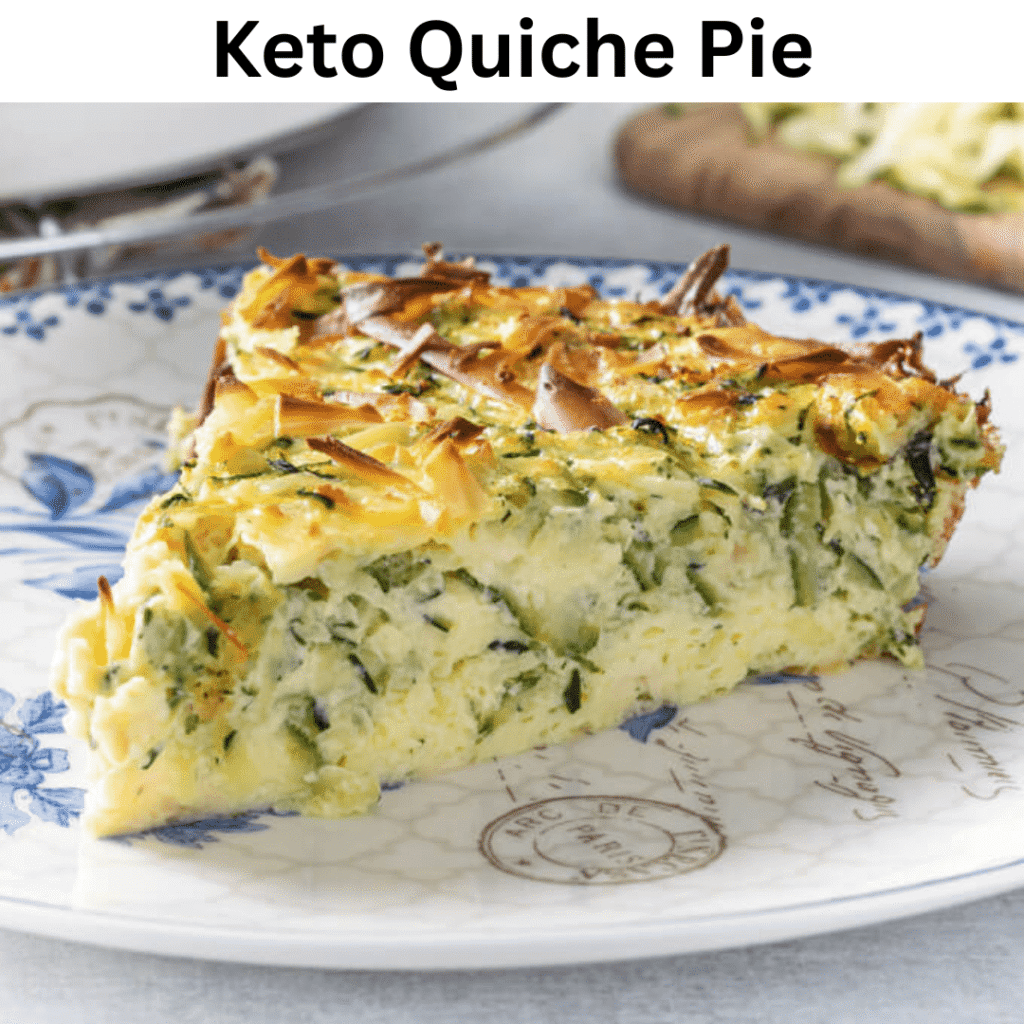
When I finally cut into it, the knife glides smoothly. The layers are visible: crust, vegetables, creamy egg, melted cheese.
And the taste? Rich, smooth, comforting, savory, slightly nutty from the almond crust, and full of flavor from the vegetables and cheese.
SECTION 4
These are optional but incredibly helpful:
• Pre-bake the crust — almond flour gets soggy if not pre-set.
• Don’t pour filling into a hot crust — let it cool for a few minutes.
• Dry all vegetables — moisture ruins quiche texture.
• Use heavy cream, not milk — keto quiche must be creamy, not spongy.
• Let quiche cool — flavor deepens as it rests.
• Nutmeg is key — but use only a tiny pinch.
• Mix cheeses for best flavor.
• Don’t overbake.
SECTION 5 — Variations
I love experimenting. Here are different handwritten-style flavor variations:
1. Keto Chicken Alfredo Quiche
– Use shredded chicken, mushrooms, garlic, and extra parmesan.
– Add a touch of cream cheese to the custard for deeper richness.
2. Keto Spinach & Feta Mediterranean Quiche
– Use spinach, olives, feta, dried oregano, and a splash of olive oil.
– Add chopped tomatoes (but sauté them first to remove water).
3. Keto Sausage Breakfast Quiche
– Use cooked sausage, onions, cheddar, and a pinch of smoked paprika.
– Perfect for morning meals.
4. Keto Broccoli Cheddar Quiche
– Classic comfort combination.
– Add a bit of mustard powder for extra depth.
5. Crustless Keto Quiche (If You Want Faster Prep)
– Skip crust and bake the custard directly in a greased pie dish.
– Still delicious, still keto, but less buttery.
SECTION 6 — Storing the Keto Quiche
I write storage notes because quiche stores beautifully:
• Refrigerator:
Keeps 4–5 days. Warm slices gently in microwave or oven.
• Freezer:
Slice and wrap individually. Reheat in oven for best texture.
Quiche reheats surprisingly well and tastes even better the next day.
Nutritional Facts (Per 1 Slice of Keto Quiche Pie)
(Assuming almond-flour crust, eggs, cream, cheese, spinach + mushrooms filling)
Calories: ~ 330–380 kcal
Total Fat: 28–32 g
- Saturated Fat: 13–16 g
- Monounsaturated Fat: 6–8 g
- Polyunsaturated Fat: 2–3 g
Protein: 12–15 g
Carbohydrates (Total): 4–6 g
- Dietary Fiber: 1.5–2 g
- Net Carbs: 3–4 g per slice